
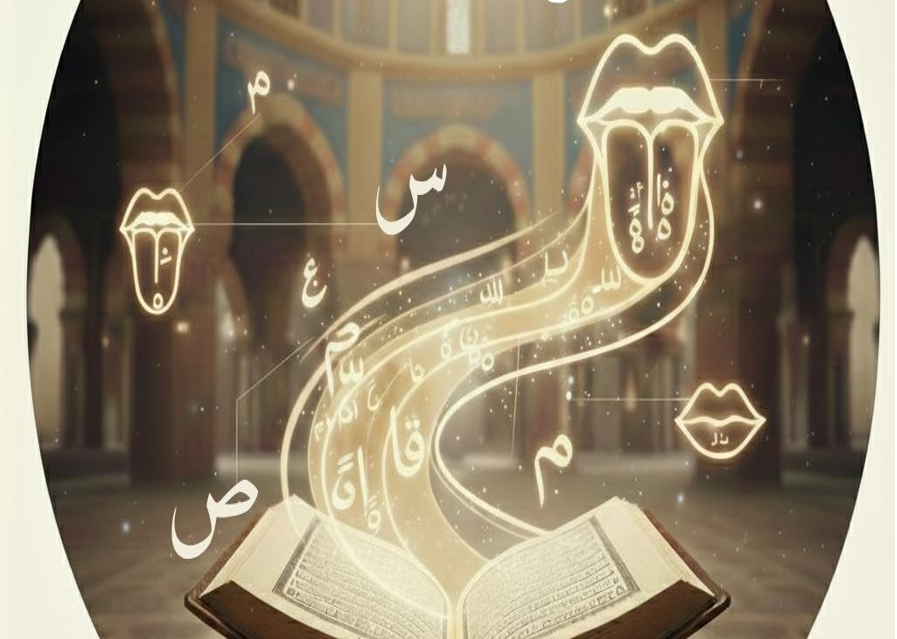
Why Tajweed Matters
Why Tajweed Matters: How Proper Pronunciation Protects the Meaning of the Quran
Did you know that an incorrect pronunciation while reciting the Quran can unintentionally alter its meaning—and even affect one of the rights of Allah?
This is not merely a linguistic issue or a matter of beautiful recitation. It is a matter of preserving meaning, belief, and worship.
This article explores the importance of Tajweed in Quran recitation, showing how correct pronunciation safeguards the divine message from distortion and misunderstanding.
What Is Tajweed and Why Is It More Than Just a Beautiful Voice?
Tajweed is the science that governs correct Quran recitation, ensuring that every letter is pronounced from its proper articulation point with its correct characteristics.
While many people associate Tajweed with melodious recitation, its true purpose is far deeper:
Tajweed protects the Quranic text from errors and preserves its intended meaning.
When Tajweed is neglected—whether intentionally or due to lack of learning—the reciter may fall into serious mistakes that affect meaning. These mistakes are known in Tajweed as Al-Lahn (recitation errors).
The Concept of “Al-Lahn”: Understanding Recitation Errors
Al-Lahn technically means making mistakes while reciting the Quran. Among its types, the most dangerous is:
Major Errors (Al-Lahn Al-Jali – Major Errors) and Their Impact Al-Lahn Al-Jali refers to clear and obvious mistakes in:
- Letters
- Vowels (Harakat)
- Word structure
These errors can reverse meanings, change beliefs, or create incorrect theological implications.
This raises a crucial question:
Can a mistake in Quran recitation really change the meaning of a verse?
The answer is: Absolutely yes.
Let us explore how this happens through practical examples.
Practical Examples: How a Single Change Can Flip the Meaning Substituting Letters (Makharij Mistakes – Articulation Errors)
Arabic letters often share close articulation points. Confusing them can lead to drastic meaning changes.
Example:
- ين الَّضاِّل (Ad-Dāllīn) → “Those who are astray”
- ين الَّظاِّل (Az-Zāllīn) → Derived from a different root with a completely unrelated meaning
A simple shift in articulation alters the word’s root and meaning.
Removing or Adding Letters
Example 1: Dropping the Alif of negation (لا):
﴿ وَلَا أَنتُمْ عَابِدُونَ مَا أَعْبُدُ ﴾
“Nor are you worshippers of what I worship” (Al-Kāfirūn: 3)
Dropping the Alif turns negation into affirmation—the meaning is completely reversed. Example 2: Prohibition becomes a command
﴿ يَا بُنَيَّ لَا تُشْرِكْ بِالَّلَِّ ﴾
“O my son, do not associate anything with Allah” (Luqmān)
Removing the Alif from lā (do not) turns the verse into a command to commit shirk—a catastrophic distortion.
The Power of Short Vowels (Harakat)
Many underestimate vowels, considering them “minor.” In reality, they are meaning-defining.
| Word in Quran | Correct Meaning | Incorrect Pronunciation | New (Wrong) Meaning |
| قلب (Qalb) | Heart | كلب (Kalb) | Dog |
| ت´ أنعم (An‘amta) | You (Allah) bestowed favor | ت أنعم (An‘amtu) | I bestowed favor |
Examples:
- نعبدك´ ا إي (Iyyāka na‘budu)
Changing the vowel to اِّك إيchanges the address from masculine to feminine—an unacceptable theological error.
´مالِّكِّ ي´وْمِّ ال ِّ دين 2.
Over-extending the Kasra creates a plural meaning, implying partners in Allah’s sovereignty—God forbid.
- Swapping vowels in:
﴿ إِنَّمَا يَخْشَى اَّللََّ مِنْ عِبَادِهِ الْعُلَمَاءُ ﴾
Incorrect vowels flip the subject and object, producing the meaning: “Allah fears the scholars”—a complete reversal of belief.
The Art of Silence: Science of Pausing and Starting (Waqf and Ibtida’)
Waqf and Ibtida’ is the science of knowing where to stop and where to start in recitation. It functions like punctuation in written language—but its effect is far more profound.
Common Mushaf Symbols:
- لا→ Forbidden stop
- م→ Obligatory stop
- ج→ Permissible stop
Incorrect pausing can:
- Create confusion
- Attribute false statements
- Disconnect meanings entirely
Example:
﴿ إِنَّمَا يَسْتَجِيبُ الَّذِينَ يَسْمَعُونَ ۚ وَالْمَوْتَٰى يَبْعَثُهُمُ اَّللَُّ ﴾
Stopping incorrectly may suggest that the dead can hear—a theological error.
Arabic Phonetics and Meaning: Why Makharij Matter
Correct articulation points (Makharij) ensure each letter retains its identity.
Example: Qāf vs Kāf
- قلب (Qalb) → Heart
- كلب (Kalb) → Dog
A single phonetic error changes dignity into disrespect.
Example: Ṣād vs Sīn
- المستقيم الصراط→ The Straight Path
- المصطقيم / السراط→ Incorrect or meaningless forms Tajweed preserves both sound and sense.
Conclusion: Tajweed as a Path to Perfection in Worship
Through these examples, we see clearly how small mistakes can cause major distortions. Tajweed is not a secondary or decorative science—it is essential for protecting Quranic meaning.
“The one who is proficient in reciting the Quran will be with the noble and righteous scribes (angels). And the one who recites it with difficulty will have a double reward.”
— Prophet Muhammad ﷺ(Agreed Upon)
Tajweed transforms recitation from simple reading into a refined act of worship. Every letter in the Quran carries weight and purpose.
﴿ وَرَتِ’لِ الْقُرْآنَ تَرْتِي الً ﴾
“Recite the Quran with measured recitation.” (Al-Muzzammil: 4)
Tajweed is the bridge that connects you to the words of your Creator.
Whether you are a beginner correcting Al-Fātiḥah or a student striving for excellence, guided recitation can transform your relationship with the Quran.
Start your journey today—and feel the difference in every verse.