
A Quran Ijazah is a written authorization from a qualified teacher confirming that a student recited the Quran (or a defined part or text) accurately to them, usually with the Sanad: the chain of teachers back to the Prophet ﷺ. To verify one, ask to see the document, read the named chain, check what it covers and listen to the teacher recite.
Many online Quran teachers describe themselves as holding an Ijazah, and many parents and adult learners are not sure what that means, how it differs from a memorization certificate, or how to check it. The word appears on websites and profiles so often that it is easy to treat it as a badge. It is more than that: it is a link in a chain of teachers, and understanding it helps you choose a teacher wisely.
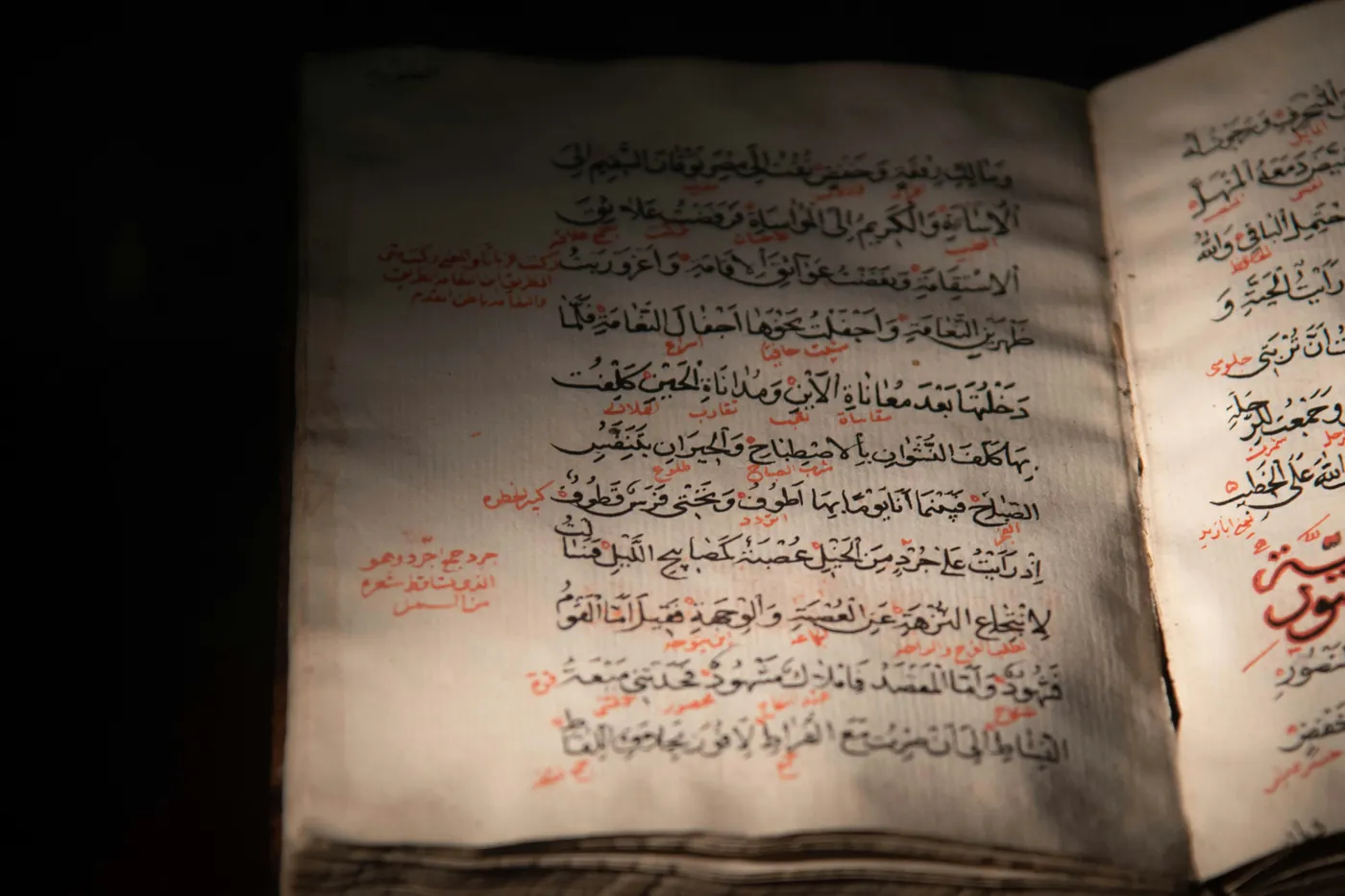
This guide explains what an Ijazah is, why the chain of transmission matters, the main kinds of Quran Ijazah, how it differs from a school certificate, and how to verify a teacher's Ijazah respectfully. The classical works and texts it relies on are listed at the end.
What an Ijazah is
In the Quranic sciences, an Ijazah is a written authorization from a qualified teacher stating that the student has recited the Quran (or a defined part of it, or a specific text) to him or her accurately, and is permitted to recite and teach it. It usually records the Sanad: the chain of teachers through which that recitation reached the teacher, name by name, back to the Prophet ﷺ.
The idea of permission to transmit is much older than the certificates printed today. Classical scholars of hadith discussed the Ijazah in detail as one of the recognized ways of receiving and passing on knowledge; Ibn al-Salah, for example, reports that most scholars accepted transmission by Ijazah, while noting that some did not (Ibn al-Salah, Ma'rifat Anwa' 'Ilm al-Hadith).
Why the chain of transmission matters
The Quran was received by listening and reciting, generation after generation. The Prophet ﷺ described this living transmission when he said (meaning): "You hear, and it will be heard from you, and it will be heard from those who heard from you" (Sunan Abi Dawud 3659, graded authentic by al-Albani). And he praised both sides of the chain: "The best of you are those who learn the Quran and teach it" (Sahih al-Bukhari 5027).
The early scholars saw the chain as part of preserving religion itself. 'Abdullah ibn al-Mubarak's well-known statement, recorded in the introduction to Sahih Muslim, is: "The isnad is part of the religion; were it not for the isnad, anyone could say whatever he wished." For recitation, a connected Sanad means the way of pronouncing each word has been checked by one qualified reciter after another.
The main kinds of Quran Ijazah
- Ijazah in one narration (riwayah): for example the narration of Hafs from 'Asim, the most widely read today. The student recites the whole Quran in that narration.
- Ijazah in the ten Qira'at: covering the ten canonical readings. The "minor" route follows the classical poems al-Shatibiyyah (by al-Shatibi) and al-Durrah (by Ibn al-Jazari); the "major" route follows Tayyibat al-Nashr (by Ibn al-Jazari), based on his work al-Nashr fi al-Qira'at al-'Ashr.
- Ijazah in a text (matn): for example a Tajweed poem such as Tuhfat al-Atfal or al-Muqaddimah al-Jazariyyah, memorized and explained to the teacher.
- Recitation from memory or from the Mushaf: some teachers grant an Ijazah for complete recitation from memory, others for complete, accurate recitation while reading. The Ijazah should state which.
Ijazah or memorization certificate?
A memorization certificate from a school or academy confirms that a student completed a programme or memorized a portion. An Ijazah is different: it is a personal authorization from a teacher who holds a Sanad, after hearing the student's recitation. Both can be valuable, but they are not the same thing, and a family should know which one a teacher holds and which one a programme leads to.
How an Ijazah is usually earned
There is no fixed timetable. A student usually needs strong Tajweed first, then recites to the teacher in full, portion by portion, with corrections, until the teacher is satisfied with the accuracy of every part. The time this takes depends on the student's level, how much they recite in each session and how often they study. Many teachers ask the student to recite calmly and carefully, because the aim is precision, not finishing quickly.
Common misunderstandings
- "Every Hafiz has an Ijazah." Not necessarily. Memorizing the whole Quran and receiving an Ijazah are two different steps.
- "An Ijazah is a university degree." It is not an academic degree; it is a teacher's authorization within a chain of reciters.
- "Every teacher needs an Ijazah to teach children to read." Many excellent teachers of beginners teach reading and basic Tajweed well; what matters is accurate recitation and sound teaching. An Ijazah matters most for those teaching advanced recitation and the Qira'at.
- "A Sanad can be bought." A genuine Ijazah comes only after the teacher has heard the student's recitation and is satisfied with it.
How to verify a teacher's Ijazah
Asking about a teacher's Ijazah is normal and should be welcomed. A respectful way to check:
- Ask to see the Ijazah document. It normally names the student, the teacher who granted it and the date.
- Look at the Sanad. It should list the chain of teachers by name, not just say "connected".
- Check what it covers. Which narration or readings, and whether it is for the whole Quran or a text.
- Listen to the teacher recite. An Ijazah shows a teacher was checked; your own ear and a trial lesson show how they teach.
- Remember that teaching is its own skill. Patience, clarity and experience with children or adults matter as much as the paper.
For a wider checklist, see our guide on how to choose a safe online Quran academy.
Ijazah at our academy
Our teachers are graduates of Al-Azhar Al-Sharif and hold Ijazahs. Our Ijazah and Qira'at program offers an Ijazah with a connected Sanad in a single narration, such as Hafs from 'Asim, and in the ten Qira'at by both the minor and major routes. Students who are not yet ready usually start with Tajweed classes. You can book 4 free trial classes so a teacher can assess your level first.
Sources
- Sahih al-Bukhari, hadith 5027 (narrated by 'Uthman ibn 'Affan).
- Sunan Abi Dawud, hadith 3659 (narrated by Ibn 'Abbas); graded authentic by al-Albani in Sahih Abi Dawud.
- Muslim ibn al-Hajjaj, introduction (Muqaddimah) to Sahih Muslim: the statement of 'Abdullah ibn al-Mubarak on the isnad.
- Ibn al-Salah, Ma'rifat Anwa' 'Ilm al-Hadith (al-Muqaddimah), section on the ways of receiving hadith, the Ijazah.
- Ibn al-Jazari, al-Nashr fi al-Qira'at al-'Ashr.
- Al-Shatibi, Hirz al-Amani wa Wajh al-Tahani (al-Shatibiyyah).